
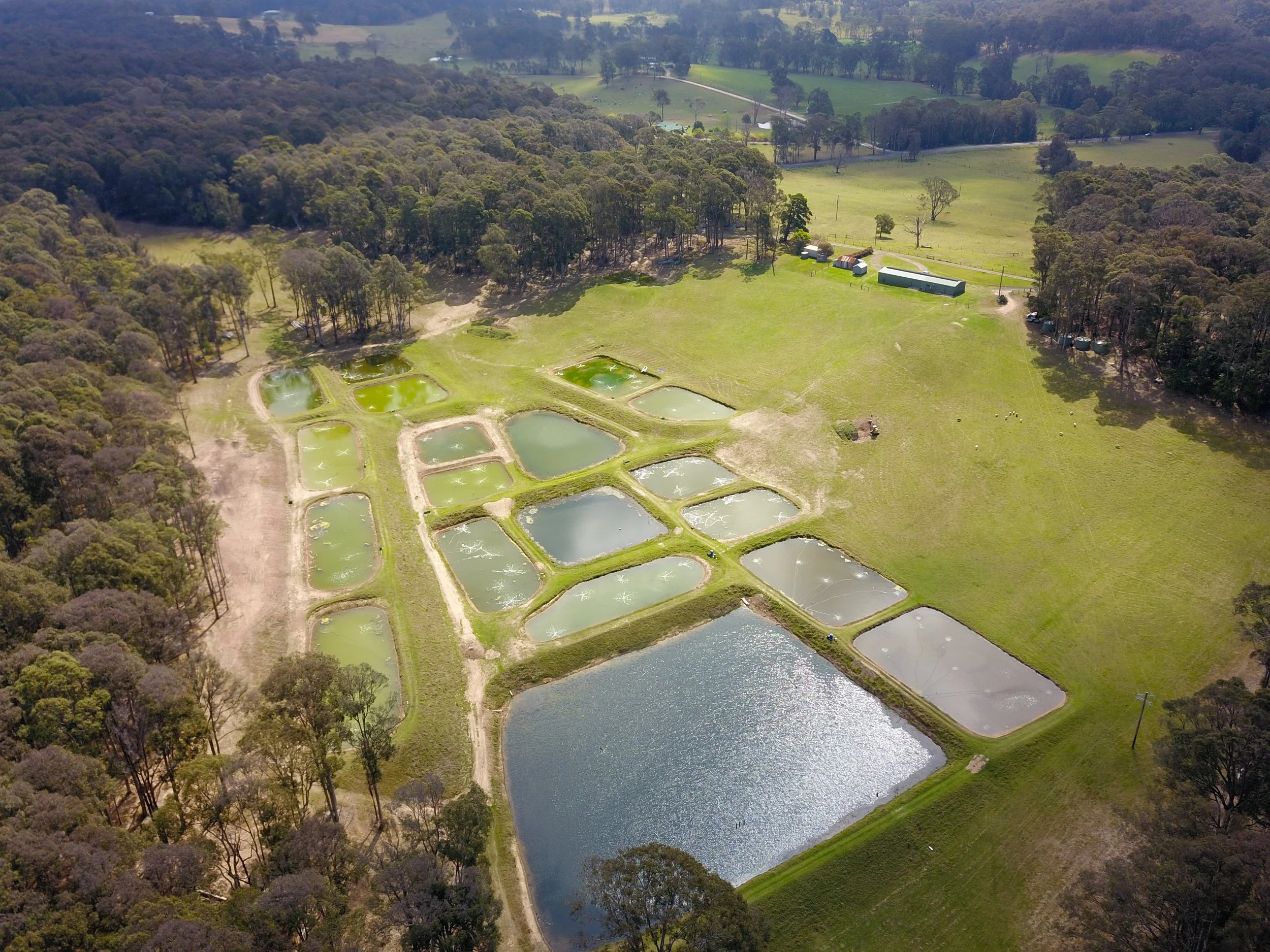
Narooma Aquaculture is a hatchery that focuses on three Native Australian species with the aim of restocking fingerlings in waterways and dams for recreational fishing.
From broodstock to fingerlings…
-
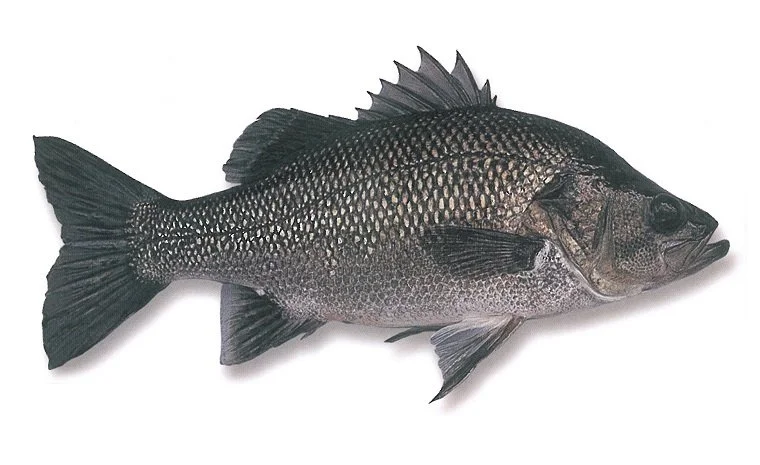
Australian Bass (Macquaria novemaculeata) are native freshwater and estuarine fish found in eastern Australia. Highly valued for recreational fishing, they play an important ecological role. Sustainable stocking and habitat management support healthy populations, resilient waterways, and long-term recreational and economic benefits.
-
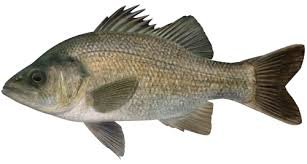
Estuary Perch (Macquaria colonorum) are native to coastal rivers and estuaries of south-eastern Australia. Prized by recreational anglers, they are sensitive to environmental change and act as indicators of waterway health.
-
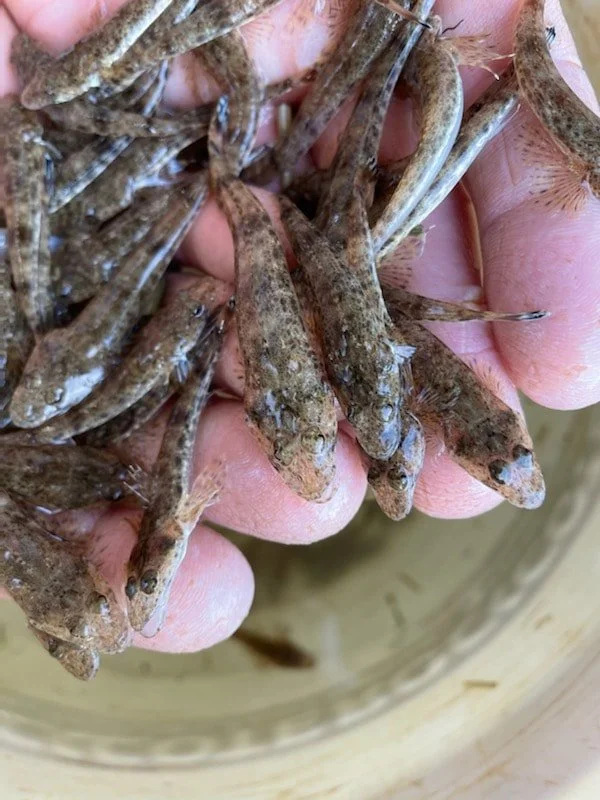
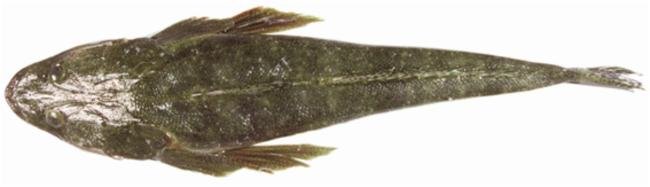
Dusky Flathead (Platycephalus fuscus) are a popular estuarine species native to eastern Australia. Valued for both recreational and commercial fishing, they thrive in healthy coastal waterways. Stocking and habitat protection support resilient populations and sustainable waterways.
The Process
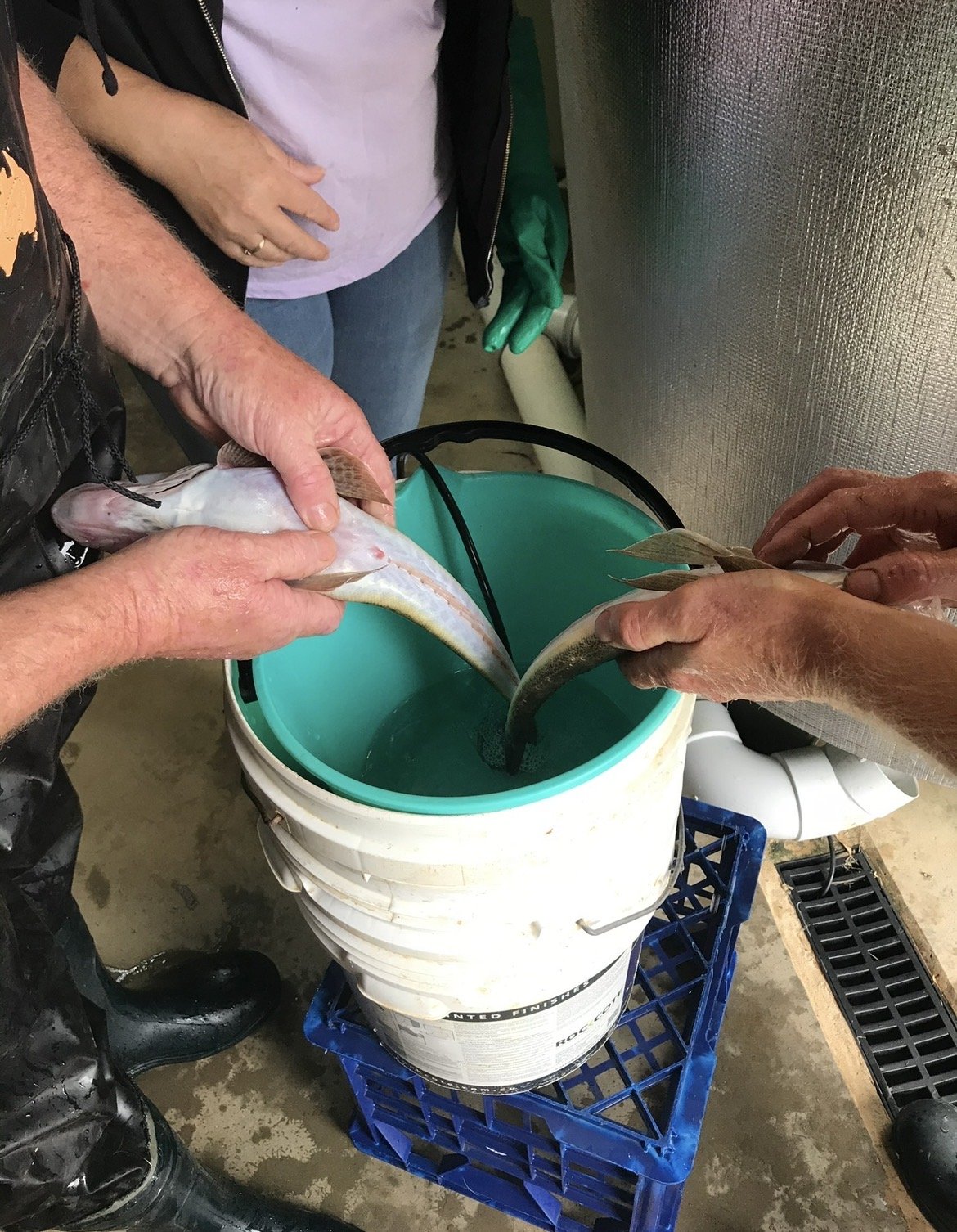
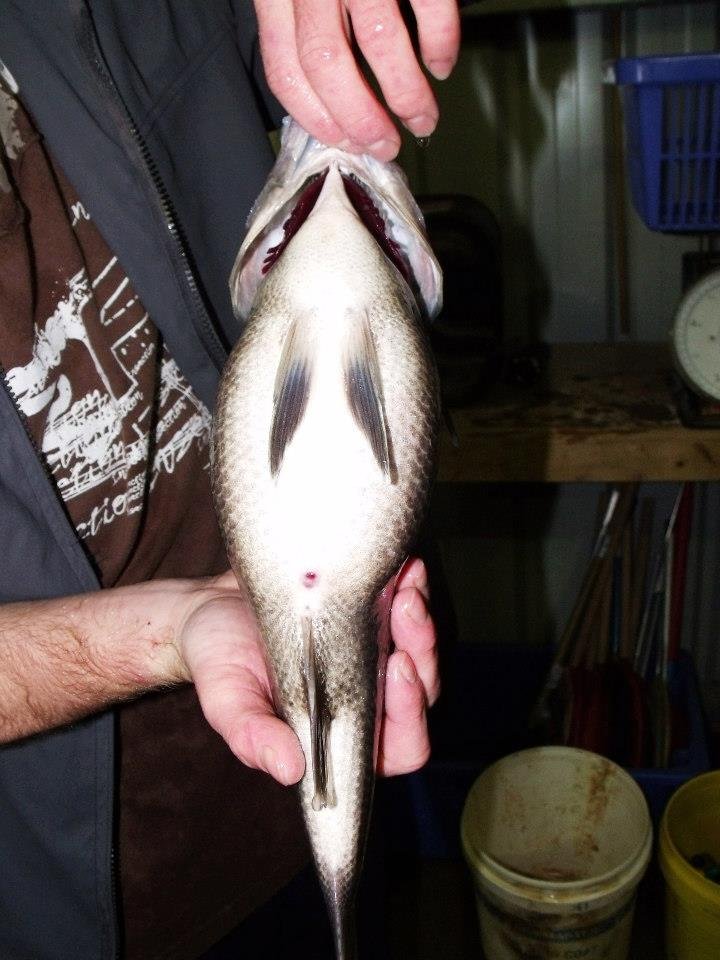
Narooma Aquaculture undertakes broodstock collection either independently from local waterways or in collaboration with key stakeholders, including local charter boat operators, experienced recreational fishers and fisheries agencies, depending on species. Broodstock are handled under strict biosecurity controls.
Selected broodstock are administered a hormonal induction to stimulate natural egg and sperm production. Eggs and milt are then carefully stripped and fertilised under controlled conditions. Following spawning, broodstock are promptly returned to their source waterways to minimise stress and maintain wild populations.
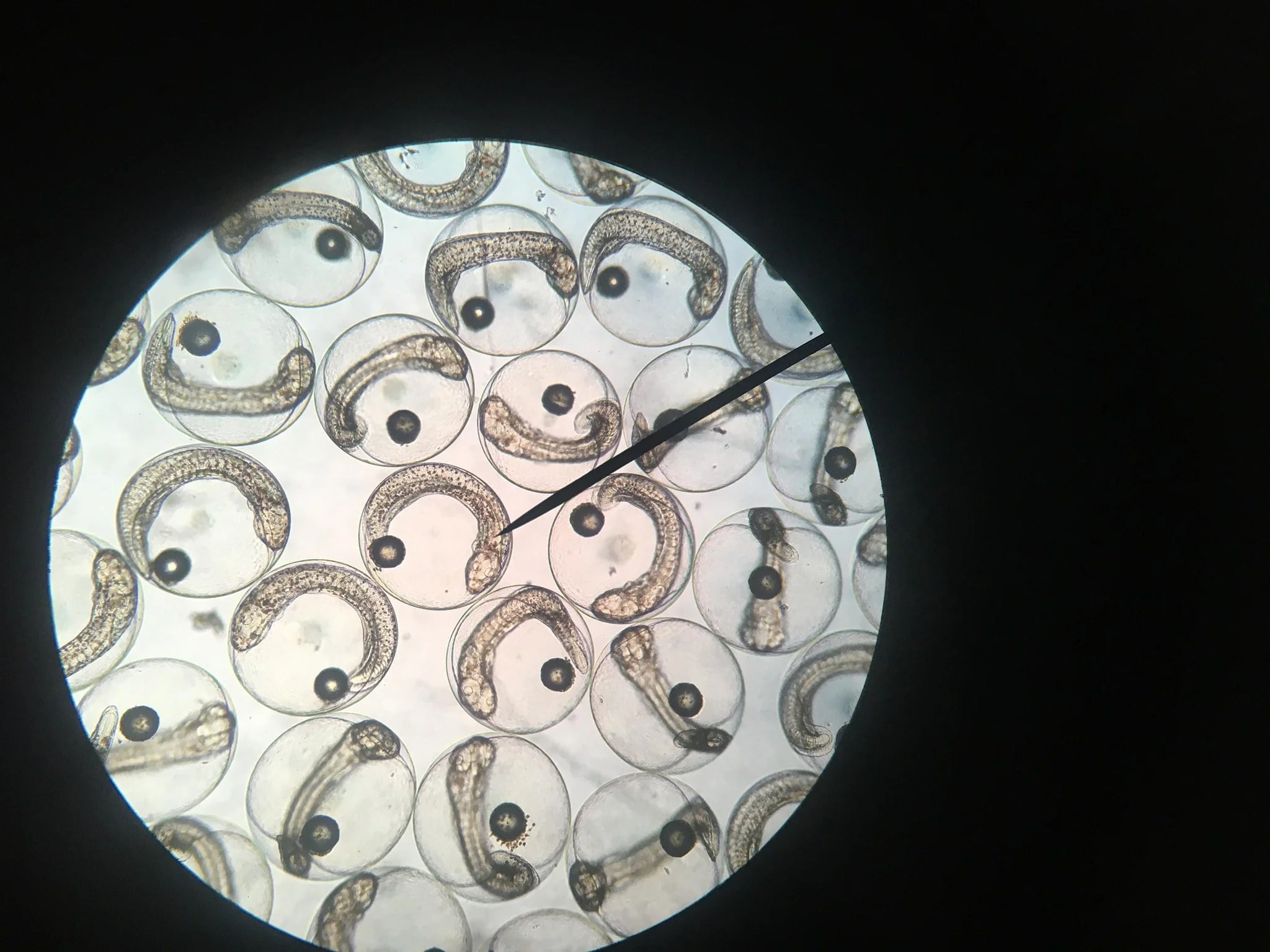
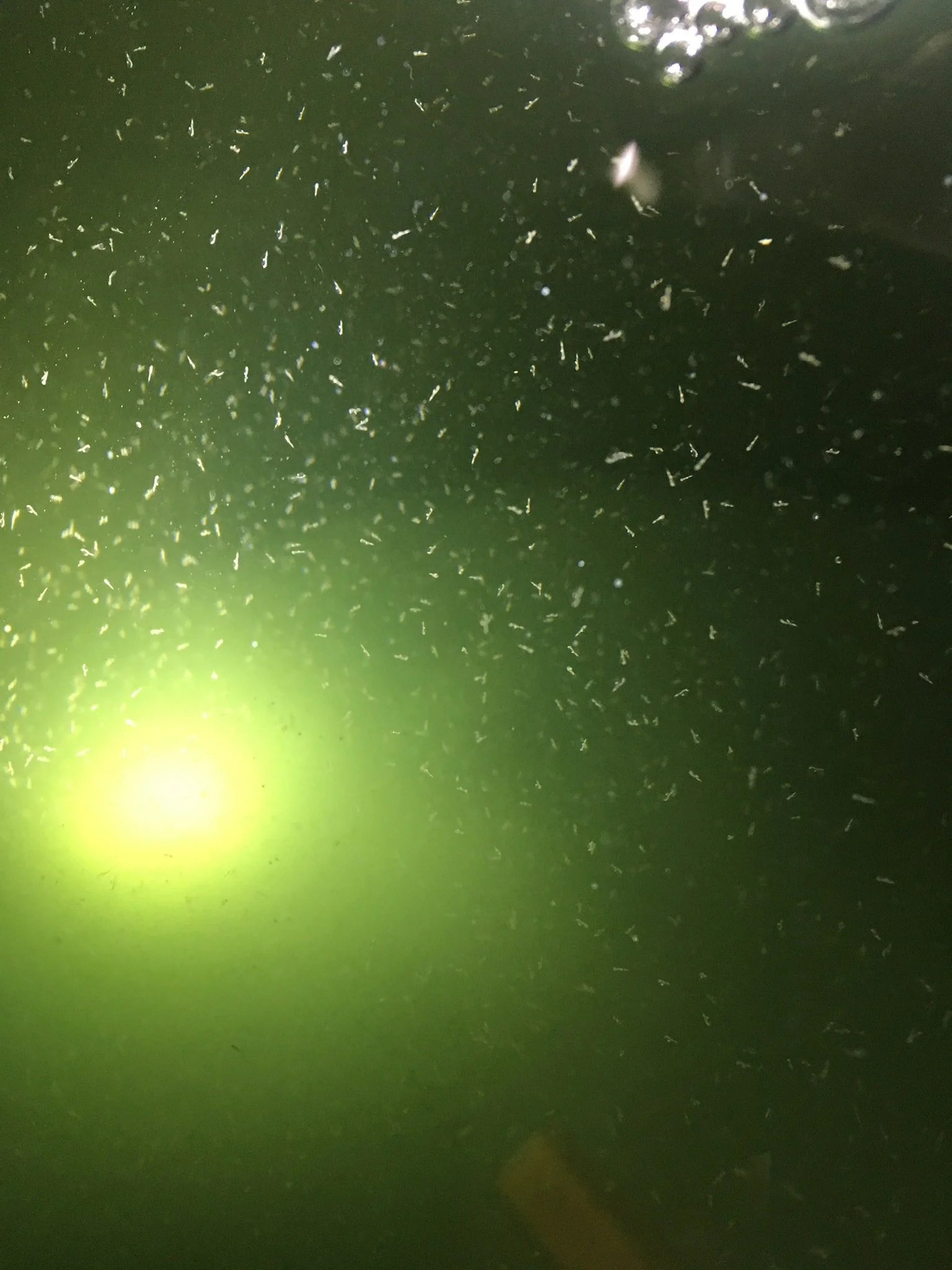
Fertilised eggs are incubated in controlled holding tanks until hatching and then transferred to dedicated rearing ponds. Larvae feed on naturally occurring plankton generated through managed plankton blooms.
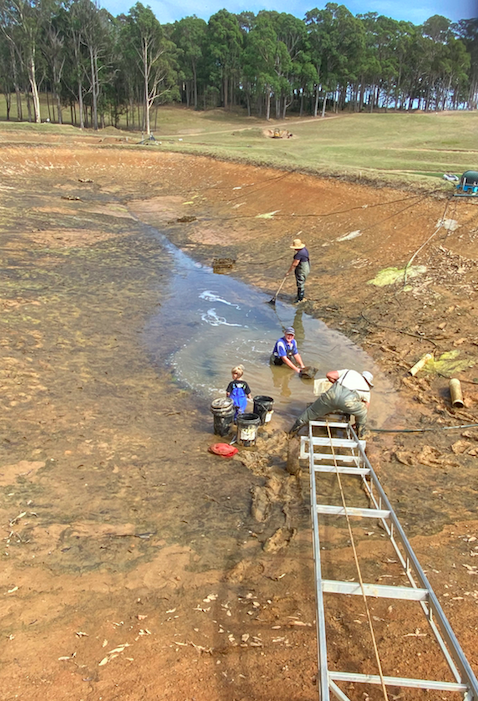
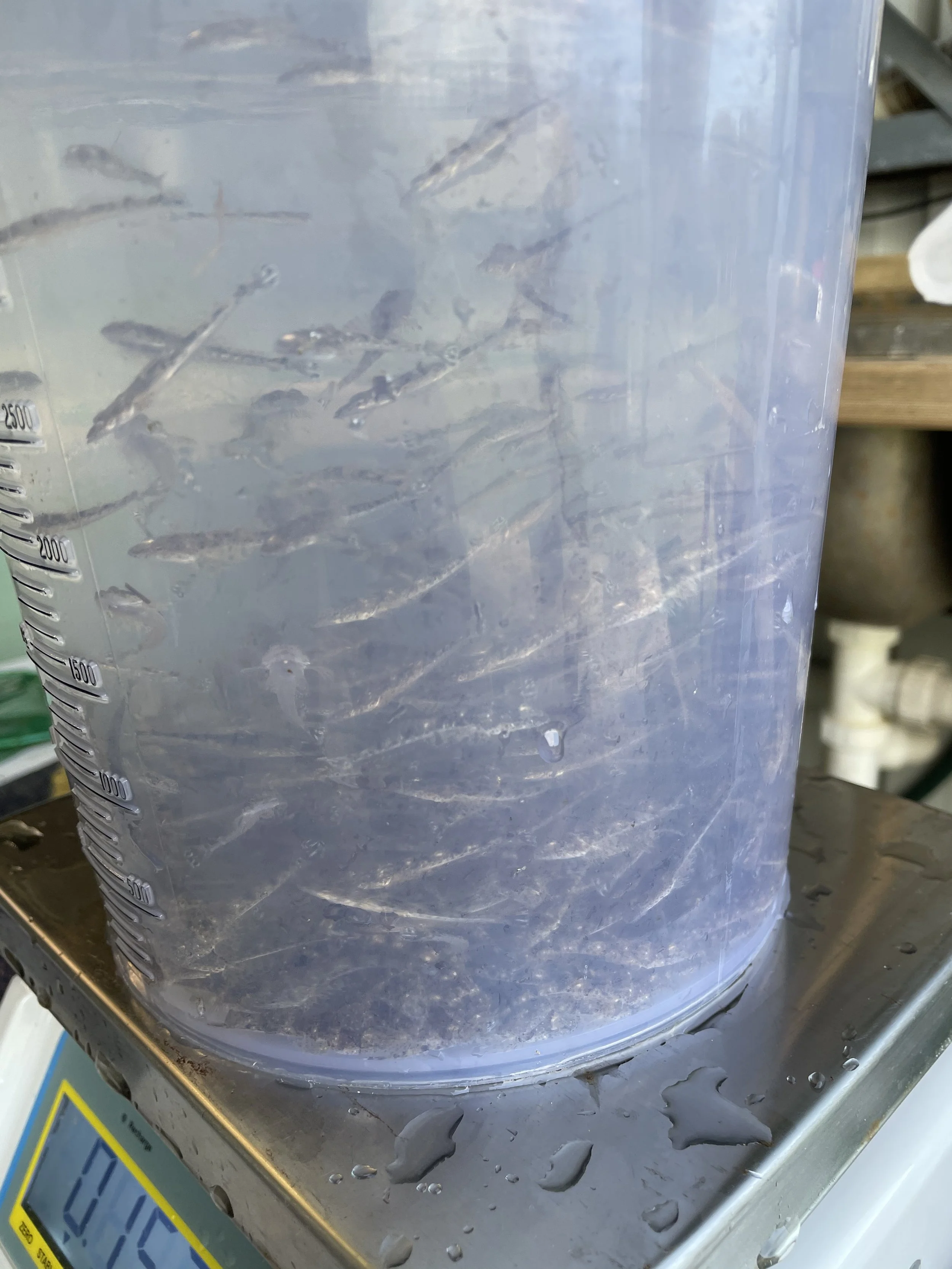
After several months of grow-out, ponds are progressively drained and fish are harvested over a staged period. Fingerlings are transferred to holding tanks, where they are monitored for health and condition and counted using standardised averaging methods prior to dispatch for restocking or sale.